
Topsoil Spreading & Final Grading in Geneseo, Illinois
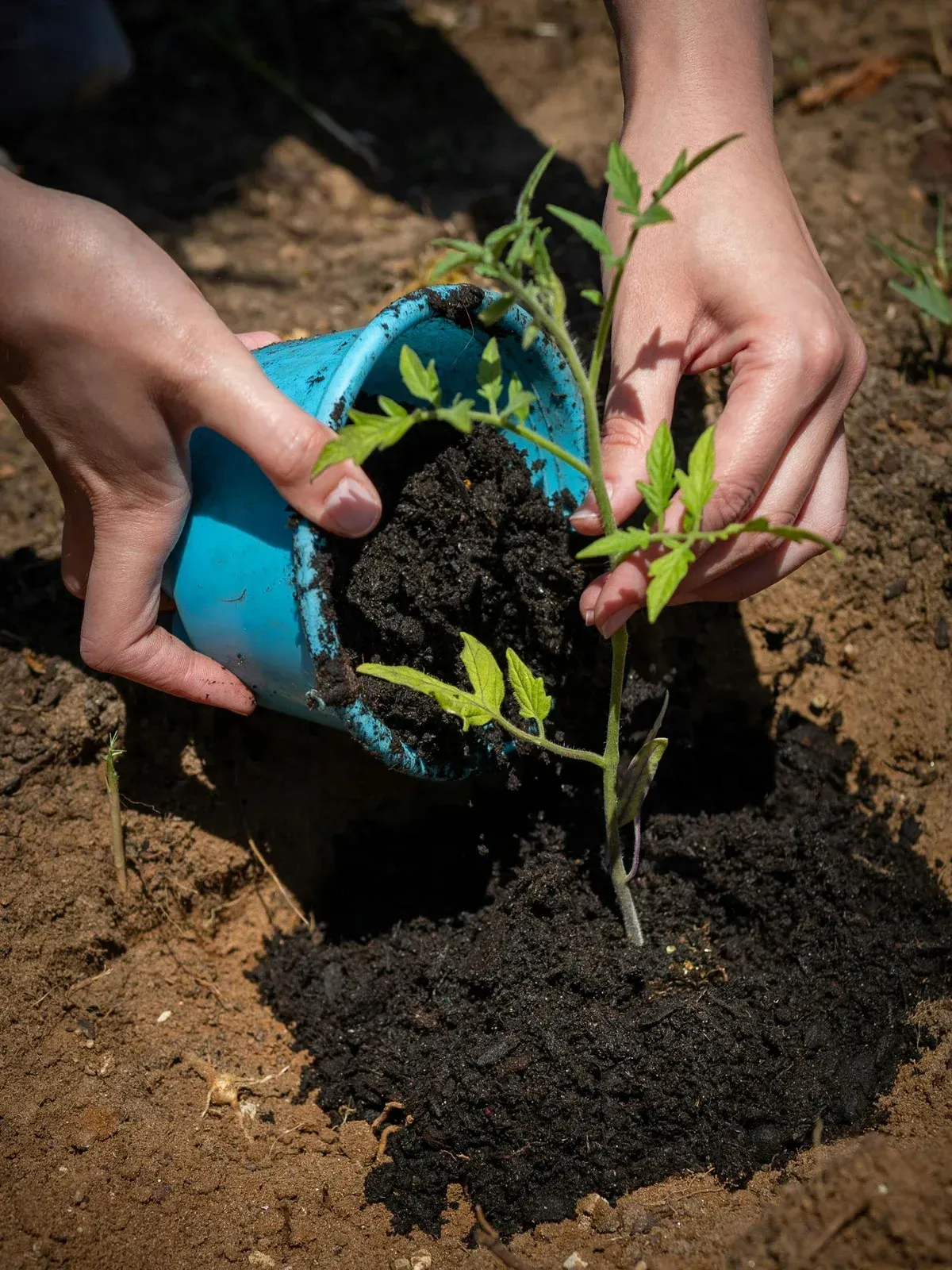
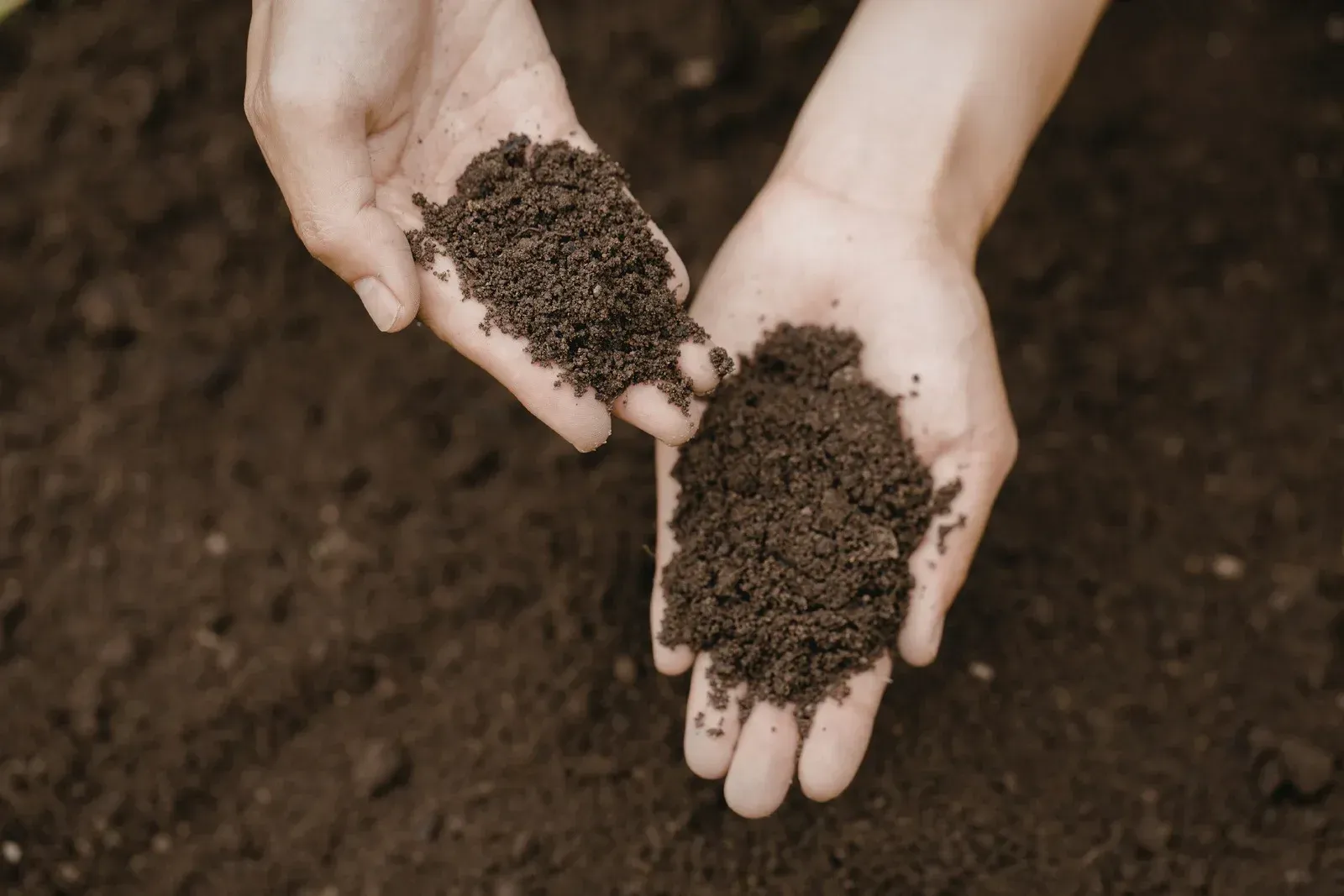
Topsoil Spreading And Final Grading Creating Stable Finished Surfaces Consistently
Every successful landscape begins below the surface. Topsoil spreading and final grading determine how water moves, how plants establish, and how outdoor spaces perform over time. At Landscape Renovations, this phase is treated as critical construction work, not a finishing touch. With more than 20 years of experience in landscape construction and hardscaping, we understand how soil depth, contour accuracy, and compaction directly affect long-term results. Proper topsoil placement and grading create stable foundations that support turf, planting, and hardscape features without erosion, pooling, or premature failure. When groundwork is executed correctly, everything built above it performs with greater reliability and consistency.
We serve Geneseo, Illinois as the primary focus of our work, with regular projects throughout Henry County and nearby communities such as Atkinson, Cambridge, and Colona. Properties across this part of western Illinois often contend with clay-heavy subsoils, uneven settlement, and drainage challenges caused by seasonal rainfall and freeze-thaw cycles. These local conditions demand precise grading tolerances and carefully managed topsoil depths. Our experience working in and around Geneseo informs how we shape land to direct water safely, protect structures, and prepare surfaces that remain stable under Midwest climate pressures year after year.
Topsoil spreading and final grading are where landscapes either succeed quietly or fail repeatedly. This stage defines surface flow, establishes planting planes, and prepares lawns for healthy establishment. Our team approaches grading as a technical process that balances slope, soil structure, and visual smoothness. When performed correctly, final grading eliminates future correction work, supports uniform growth, and creates outdoor spaces that feel intentional and finished. Strong groundwork allows every other landscape element to function as designed instead of compensating for hidden flaws beneath the surface.
Our Topsoil Spreading & Final Grading Services
Topsoil Installation and Distribution
Topsoil installation involves spreading nutrient-rich soil evenly across prepared areas. Proper distribution ensures consistent depth for turf and planting. This service improves soil quality, supports healthy root systems, and prepares surfaces for reliable landscape establishment and long-term performance.
Final Landscape Grading
Final grading shapes finished surfaces to precise elevations and slopes. This service establishes proper drainage flow, smooth contours, and clean transitions. Accurate grading prepares landscapes for planting or turf while preventing water accumulation and surface irregularities after completion.
Rough Grade Correction
Rough grade correction adjusts uneven or improperly shaped ground left after construction. Reworking slopes and elevations creates a stable base for final grading. This service resolves drainage problems and prepares sites for accurate topsoil placement and finishing work.
Drainage Slope Adjustment
Drainage slope adjustment fine-tunes land contours to control water movement. Proper slopes protect structures, reduce erosion, and support healthy soil conditions. This service ensures water flows safely away from critical areas without compromising landscape appearance or usability.
Lawn Preparation Grading
Lawn preparation grading establishes smooth, even surfaces before seeding or sod installation. Correct grading supports uniform turf growth and mowing consistency. This service eliminates low spots and high areas that cause uneven moisture distribution or poor lawn performance.
Surface Blending and Transitions
Surface blending connects graded areas with existing landscapes, hardscapes, or structures. Smooth transitions improve appearance and functionality. This service ensures new grading integrates seamlessly, avoiding abrupt elevation changes that affect drainage, safety, or visual continuity.
Benefits of Topsoil Spreading & Final Grading
Improved Drainage Control
Accurate grading directs water away from structures and prevents pooling across lawn and planting areas. Proper topsoil depth supports consistent infiltration while maintaining surface flow. Improved drainage protects roots, reduces erosion, and minimizes long-term damage caused by standing moisture or uncontrolled runoff.
Enhanced Soil Quality
Topsoil spreading improves soil composition by providing nutrient-rich material suitable for plant growth. Balanced soil depth supports root development and moisture retention. Quality topsoil creates healthier growing conditions, allowing turf and plantings to establish evenly and perform reliably over time.
Uniform Surface Appearance
Final grading smooths irregularities and establishes clean transitions between landscape elements. Uniform surfaces improve visual consistency and prepare lawns for even growth. Smooth grading also enhances usability, making outdoor spaces safer and more comfortable for routine activities and maintenance.
Reduced Erosion Risk
Properly graded surfaces minimize erosion by controlling slope angles and water movement. Stabilized soil resists displacement during rainfall events. Reduced erosion preserves landscape integrity, prevents soil loss, and protects surrounding features from sediment buildup or structural compromise.
Stronger Lawn Establishment
Correct topsoil depth and grading create ideal conditions for turf establishment. Even soil distribution supports consistent germination and root expansion. Lawns establish faster, develop uniform density, and require fewer corrective treatments when built on properly graded, well-prepared surfaces.
Long-Term Landscape Stability
Topsoil spreading and final grading provide lasting stability by addressing settlement and drainage issues upfront. Correct groundwork reduces future adjustments and maintenance demands. Landscapes remain functional and visually consistent as soils settle naturally under seasonal environmental changes.
Accurate Soil Placement Supporting Drainage Turf Establishment And Landscape Longevity
Topsoil spreading and final grading determine how landscapes perform long after installation is complete. When surfaces are shaped accurately and soil is placed with intent, outdoor spaces gain stability, controlled drainage, and consistent growing conditions. At Landscape Renovations, more than 20 years of landscape construction experience guide every grading decision. Each project is engineered to respond to soil behavior and climate pressures common across Geneseo, Illinois and nearby communities.
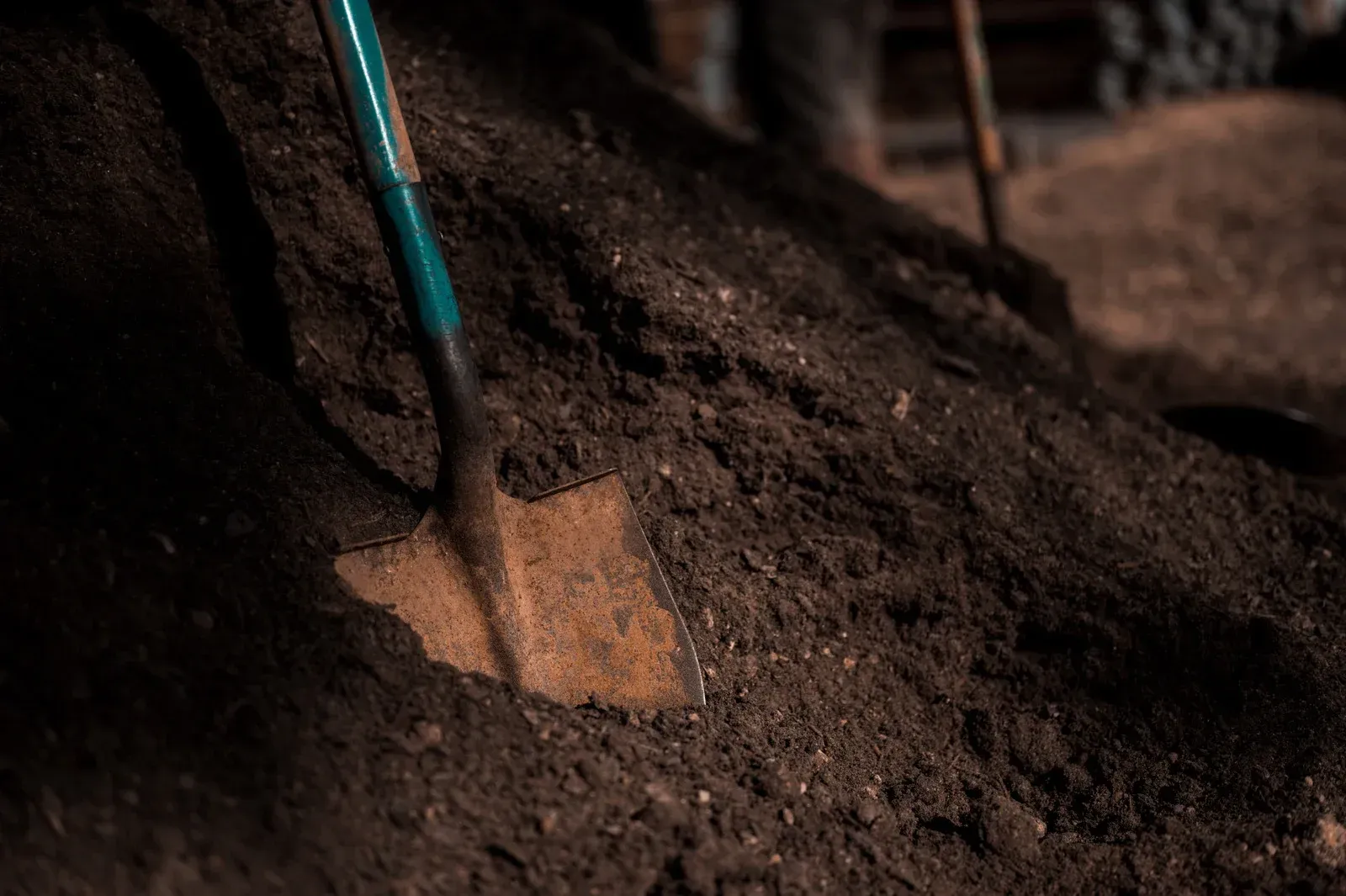
Proper groundwork minimizes maintenance demands, reduces recurring issues, and supports reliable performance through seasonal change. Accurate grading protects turf, plantings, and structures by preventing erosion, settlement, and water damage. When topsoil and grading work are executed with discipline and precision, landscapes become strong foundations rather than ongoing challenges. Thoughtful preparation below the surface allows everything above it to establish evenly, mature predictably, and perform with long-term confidence for future outdoor environments.
Frequently Asked Questions
Why is final grading important before planting or lawns?
Final grading establishes correct slopes and smooth surfaces that support drainage and healthy growth. Without accurate grading, water can pool or erode soil, damaging plants and turf. Proper grading stabilizes soil, allowing landscapes to establish evenly and perform consistently over time.
How much topsoil is typically needed for a project?
Topsoil requirements depend on intended use and existing soil conditions. Lawns typically need several inches of quality topsoil, while planting areas may require greater depth. Proper evaluation ensures sufficient soil supports roots without causing drainage issues, compaction, or long-term settlement problems.
Can grading fix drainage problems around a property?
Yes, grading can resolve many drainage problems by reshaping land to redirect water flow. Adjusting slopes prevents pooling near structures and improves surface movement. Proper grading reduces erosion risk and protects landscapes from long-term moisture-related damage and structural impact.
Is topsoil spreading necessary if soil already exists?
Existing soil often lacks nutrients, structure, or consistency needed for healthy growth. Topsoil spreading improves soil quality and uniformity. Adding quality topsoil enhances root development, improves moisture retention, and creates better conditions for lawns and plantings to establish successfully.
When should topsoil spreading and grading be done?
Topsoil spreading and grading are completed before planting, seeding, or sod installation. Timing depends on weather and site conditions. Performing this work early allows surfaces to settle properly and minimizes disruption to finished landscape elements later in the project.
How does soil type affect grading methods?
Soil type influences compaction, drainage, and settlement behavior. Clay soils require careful slope control and preparation. Understanding soil characteristics allows grading methods to be adjusted appropriately, ensuring long-term stability and preventing surface movement, pooling, or structural issues after installation.
Why does local experience matter for grading work?
Local experience informs how soil and water behave throughout seasonal changes. At Landscape Renovations in Geneseo, Illinois, regional knowledge guides grading decisions. Understanding local soil response improves drainage outcomes, reduces future landscape issues, and ensures stable, long-lasting surface performance.
How does proper grading protect long-term landscape investment?
Proper grading prevents erosion, water damage, and uneven settlement that shorten landscape lifespan. Landscape Renovations in Geneseo, Illinois focuses on building stable foundations that reduce future repairs. Well-executed grading protects turf, plantings, and structures, preserving long-term landscape value.
What our customers have to say...
Testimonials
Adam showed up on time, did the job quickly, and was polite and professional. Would definitely use again. Adam showed up on time, did the job quickly, and was polite and professional. Would definitely use again.
Elizabeth R.
Adam showed up on time, did the job quickly, and was polite and professional. Would definitely use again. Adam showed up on time, did the job quickly, and was polite and professional. Would definitely use again.
Patricia H.
Adam showed up on time, did the job quickly, and was polite and professional. Would definitely use again. Adam showed up on time, did the job quickly, and was polite and professional. Would definitely use again.
Elizabeth R.
Adam showed up on time, did the job quickly, and was polite and professional. Would definitely use again. Adam showed up on time, did the job quickly, and was polite and professional. Would definitely use again.
Patricia H.